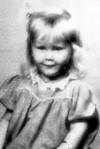
6.11.11

Canção das raízes / Song of roots

Canção das raízes

Välkommen till världen
(Bem vinda ao mundo)

 --- Minha mãe
é a cálida terra
que um dia me dará um abraço.
Meu pai,
o terremoto da guerra
que a ela fendeu o regaço.

Minha mãe é doçura,
meu pai é o aço
e de ambos
eu sou um pedaço.


TRANSLATION


Song of roots

--- My mother
is the warm earth
that one day will give me a hug.
My father
the earthquake of war
that fissured her lap.

My mother is sweetness,
my father is steel
and of both
I am a portion.

5.11.11

Canção do Exílio / Song of exile

Canção do exílio
"Mormmor Mia"

Narrador:-

Foi embora o semeador...
não queria talvez semear a dor.
Perdeu-se o colheitador.
Que não se perca a colheita
e a colheita não seja a dor.

Frida;-

--- Ainda criança
bem cedo exilada.
Não coube na terra
à qual veio ao mundo
"a filha da guerra".

Porém a Pátria está
onde o amor não escolhe
o imigrante que acolhe.


Ao me preservar
do vil preconceito,
minha "mamma" querida
venceu fiordes gelados
pra morrer de saudade
na terra prometida.
Não importa a ferida
que lhe abriu o peito
a Patria agreste;
lá ela deixou sua vida.

Que sabia eu do mundo
para enfrentá-lo sozinha?

Duas mulheres moldaram
a argila do que eu sou.
Uma mulher me pariu
a outra mulher me amou.
A primeira cedo partiu,
a segunda se me repartiu.

A minha "mommor";
duas vezes "mamma",
duas vezes o amor,
foi o meu aval;
mantendo a fragil chama
aquem do vendaval.

E a doce costureira de Torshälla
costurou o riso em minha cara.

Das tradições do meu povo,
eu e minha "mommor" 
cantávamos à beira do fogo
velhas canções populares.
E aprendendo a cantar o amor,
aprendi o amor a cantar
nas Brancas Noites Polares.


TRANSLATION


Song of exile

"Mormmor Mia"

Narrator: -
Gone away the sower ...
maybe not want to sow pain.
The harvester was lost.
but will not lose the harvest
and harvest will not the pain.

Frida; -
--- Litle girl still
I was soon exiled.
Did not fit in the land
which came at the world
"the daughter of the war".

However the homeland is
where love does not choose
whom became immigrants.


To keeping me far away
about vile prejudice,
my darlyng "mamma"
surpassed ice fjords
to die of sorrow
on the promised land.
No matter the wound
open on his breast
by your ungrateful country;
your life was there.

What did I know about world
to face it alone?


Two women have molded
the clay of the I am made.
A woman gave me life,
the other, loved me,.
The first,  soon departed

split itself with me, the other.


So, my "mommor";
twice "mamma"
twice love
was my surety;
to maintaining the fragile flame
far from the hurricane.

And the sweet dressmaker of Torshälla
sewed the smile on my face.

From the traditions of my people,
my "mommor" and I
we sang the edge of the fire
the old folk songs.
And at learning to sing love
I learned love, singing 
in the Polar White Nights.


4.11.11

Canção da Fenix / Song of Phoenix


Canção da Fenix

Aven em blomma
(Sempre em flor)


Frida:-
 --- A Europa ardeu em chamas até as raízes.
Por longo tempo vai fumegar
cauterizando cicatrizes 
da comburida terra.

Perderam a aposta 
os insanos cães da guerra.
E pagarão os deserdados
até o último bocado
a fome que vai grassar.

Mesmo a terra prometida
como a Suécia generosa
que Deus em bondade
preservou da insanidade,
saldarão o seu tributo
em dor e orfandade.

É quando a sábia Natureza recicla
os fortes e os predestinados.

Se era predestinada eu não sabia,
mas eu poderia ser forte 
e mudar a minha sorte.
Mesmo a neve que incinera
é água doce no verão;
 um brinde à primavera
na taça da flor em botão.

Assim, escolhi lutar;
SOBREVIVER;
escolhi a vida;
VIVER.


TRANSLATION


 Song of phoenix


Aven em Blomma


Frida: -
--- Europe burned down to the roots.
Will smoke for a long time
cauterizing scars
the scorched earth.


They lost the bet,
the insane dogs of war.
They will pay, the disinherited,
until the last mouthful
the hunger that will rage.


Even the promised land
as Sweden generous
that God in His goodness,
have preserved of insanity,
will pay off his tribute
in pain and orphanhood.


It is when the wise Nature recycles
the strong and the predestined.


I do not know if predestined
but I could be strong
and change my luck.
Even the snow that incinerates
become freshwater in summer,
to toasting to Spring
into cup of a flower.


So I chose to fight;
SURVIVE!
Love life;
LIVE. 


3.11.11

Frida; entrevista / interview


Exclusive interview: Frida, my childhood playmate
This article was published in Swedish Television's weekly magazine Röster i Radio/TV, issue 46, 1978.
I knew I wanted to be a singer allready when I was seven years old.
1978fridarosterirradio1
Torshälla in the beginning of the 50's was still an idyllic place. The old houses leaned on each other and was every architect's dream to do something with. The town gossip had the proportions of a small town. You knew people, by age and careers.

     In this little town with the 5.000 people living there Anni-Frid and I grew up.
     We never went to the same school and we weren't best friends - but we both belonged to an organisationn URK - Ungdomens Röda Kors [The Red Cross Youth Division] - and we played together sometimes. In the basement of one of the official buildings in the town we wove baskets and made armslings (mitellas). Anni-Frid didn't do much of the woveing, instead she sang a lot: "Que sera, sera, det sker vad än ska ske, din framtid kan ingen se, que sera, sera..."
     She was fantastically beautiful and her voice was clear as crystal. She sang all the time. We admired her. She got to be Barnens Dags Prinsessa and ride in the parade through the town with a crown on her head: 
      –  I remember that day very vividly, says Anni-Frid. I felt so bad I thought I couldn't do it.
Her debut as a singer happened at a Röda Kors soaré. On the Folkets Hus stage. Dressed in a folklore costume including a bonnet, 11 years old she sang: "Fjorton år tror jag visst att jag var" [I believe I was 14 years old]...
     We wanted it to work out well for her, because we know that she was living with her grandmother and didn't have a father or a mother. It was almost something romantic about her, almost like in the books we read. And she had the cutest smile, she wrinkled her nose when she smiled.
     The everything went so quickly. We outgrew URK and each other. We only said a quick hello when we just made it on the 7.30 bus on the way to Eskilstuna where Anni-Frid attended realskolan and I went to the girl's school.
     –  I never had any other plans. As a 7 year old I knew that it was a singer I was going to be, Anni-Frid says smiling, before I get the chance to ask her the next question. Well, I guess we all had understood that. At the tender age of 13 she went touring with orchestras "just because it was such a lot of fun just to sing". I didn't have any time for boys at that time.
     At the schooldances she performed Glenn Miller songs while the rest of us danced in the dimly lit gymnasium.
    SANG AND SANG
    She sang and sang and sang. She won a talent competition and started taking singing lessons from the famous operasinger Folke Andersson. During my first time as a reporter in Eskilstuna at the magazine "Folket" I wrote some articles about her every now and then. It's 15 years ago...

TRADUÇÃO


    Trecho da entrevista de Frida a uma reporter e companheira de infância, Gunilla Magnusson.

    Torshälla no início da década de 50 era um idílico lugar. Antigas casas encostadas uma a outra. O vilarejo tinha seus pequenos mexericos em proporção ao tamanho do lugar. Você conhecia as pessoas, sua idade e suas ocupações.

    Nesta pequena cidade de 5.ooo habitantes, Anni-Frid e eu crescemos.

    Nós nunca fomos à mesma escola nem éramos muito chegadas, mas nós duas pertencíamos à Roda Kors (Cruz Vermelha) e brincávamos juntas algumas vezes. No porão de um prédio público nós tecíamos cestos, entre outros trabalhos manuais. Anni-Frid não fazia muitos cestos, ao invés, ela cantava muito; "Que será, será"  det sker an ska ske / din frantid kan ingen se / que sera sera...

    Ela era fantasticamente linda e sua voz clara como cristal. Ela cantava o tempo todo. Nós admirávamos ela. Ela foi a princesinha da festa do Barnes dag (Dia da criança) desfilando com garbo pelas ruas da cidade, na cabeça uma coroa de papel.

 -- Eu lembro vividamente desse dia, diz Anni-Frid.  -- Eu me senti tão mal que pensei não poder fazê-lo.

    Ela estreou como cantora num evento da Roda Kors. Vestia um traje folclórico arrematado por um chapeuzinho. Tinha 11 anos de idade e cantou: Fjorton ar tror jag visst att jag var.

    Nòs a procurávamos depois da Roda Kors para saber mais sobre ela. Ela morava com a avó e não tinha pai ou mãe. Era um detalhe sobre ela que achávamos quase romântico, igual aos livros que líamos. Ela tinha um fino sorriso e franzia com graça o nariz quando ria.

    E as coisas se passaram assim rápidas. Fora da Roda Kors pouco víamos uma a outra. Somente nos dávamos rápido alô enquanto corríamos para o ônibos das 7,30 para Eskilstuna onde Anni-Frid assistia aulas na Real Escola e eu na escola de meninas.

 -- Eu nunca tive outros planos. Aos 7 anos de idade eu já sabia que seria uma cantora; eu sempre soube. diz Anni-Frid sorrindo, antes que eu tivesse tempo  de fazer a próxima pergunta. Bem, eu acho que é fácil entender isso. Aos treze anos teve propostas de seguir orquestras em turnê.
 -- Porque era um modo mais atrativo, mais rítmo e alegria em cantar. Eu jamais tive tempo para rapazes naquela época.

    Na escola de danças ela cantava canções de Glenn Miller enquanto o resto das meninas dançava anonimamente nos salões do ginásio.

    CANTAVA E CANTAVA
    Ela cantava, cantava e cantava. Ela ganhou um concurso de talentos e começou a ter lições de canto com um famoso cantor de ópera, Folke Anderson. Durante meus primeiros tempos como repórter em Eskilstuna, da revista Folket, eu escrevia sobre ela de vez em quando. Isto foi a 15 anos atrás.
     

2.11.11

Canção da inocência / Song of innocence


Sem título


Canção da inocência

Min egen stad
(Minha cidade)


Frida:-
Torshälla onde cresci
era um idílico lugar
pra se viver e sonhar
e o meu sonho cabia ali.

Nos telhados de rubi,
nas paredes de algodão,
era o sol no coração
e ser feliz cabia ali.

Com amiguinhas eu corri
rua acima e rua abaixo
a cantar como um riacho
e minha canção cabia ali.

De princesinha me vesti
com coroa de papel
e cabelos de Chanel
e o meu reino cabia ali.

Os meus castelos construi
com murais de primaveras
e tudo era deveras
porque minha fé cabia ali.

Quando um dia eu parti
em busca do meu espaço,
notei em cada abraço
quanto amor cabia ali.

Então saudades eu senti
da pequenina canção
que cantou meu coração
quando Torshälla cabia ali.


TRANSLATION


 Song of innocence

Min egen stad

Frida: -
  --- Torshälla, where I grew,
it was an idyllic place
to live and to dream
and my dream fit there.

Ruby over roofs,
walls of cotton,
it was sunshine in the heart
and to be happy fit there.

I ran with litle friends
street up and street down,
singing like waterfalls
and my song fit there.

I dressed  me as litle princess
with paper crown
and Chanel hair
and my kingdom fit there.

I built my castles
with murals of spring
and it was all true
because my faith fit there.

When I left my town
looking for my space,
I saw in each embrace
how much love fit there.

So, I felt nostalgia
by little song
that sang my heart
when Torshälla fit there.


1.11.11

Canção da aventura / Song of adventure

Canção da aventura

Que será, será


Frida:-
--- Quem lembrará a garotinha
risonha e formosa
(tal qual o povo fala)
correndo pressurosa 
pelas ruas de Torshälla?
Cabelos de sol ao vento
para a pressa do momento
seja o ônibus da escola
ou seja a "Roda Kors".

Ah!... Mas a minha voz
jamais esquecerão...
será o meu cartão.

Deixei os meus brinquedos,
da infância fui embora
gravar ainda bem cedo
a minha trilha sonora.

Segui orquestras, segui bandas,
pondo a voz a garimpar
no cascalho das demandas
o meu sonho de cantar.

Menti a minha idade,
simulei maturidade
em busca do "Sol Maior"
Aos treze anos que somei
um pouco de coragem, 
resultaram em dezesseis.

Era toda a bagagem 
para a vida de aprendiz,
 mas comprei minha passagem
sem medo de ser feliz.


TRANSLATION


Song of adventure


Frida: -
--- Who will remember the little girl
smiling and beautiful,
(says voice of people)
rushing hurried
along the streets of Torshälla?
Hair of the sun at wind
for the rush of the moment;
to bus or to school
or still to Roda Kors.


Ah ... But my voice
no one will forget ...
will be my card!


I left my toys,
I left my childhood 
to record still soon
my soundtrack.


I follow orchestras and bands,
puting the voice to search
in the gravel of demands
my dream to sing


I lied about my age,
I pretended maturity
in search of the "Sol Maior".
At my thirteen years I added
a little courage
that resulted in sixteen years


It was all my baggage
to the life of apprentice,
but I bought the ticket
unafraid to be happy.

31.10.11

Canção da guerreira / Song of warrior

Canção da guerreira

Frida:- 
 --- De guerreiros fui gerada
pra batalha que escolhi,
se da guerra foi que eu vim,
se "da querra filha eu sou!"

Fui ao mundo, fui à luta,
fui pra guerra que era justa, 
fui pegar o que era meu, 
mas não se ganha sem disputa!
Fui armada até a garganta
com a voz que Deus me deu!

Os palcos eram altos
de difícil escalada
para quem vinha do nada,
feito eu!

Mas no calor dessa disputa
não mudei matéria prima, 
eu só emprestei a rima:
(que o poeta concedeu)
"eu  sou filha da luta!"


TRANSLATION


Song of warrior

Frida: -
  --- From warriors I was generated
to the batle that I chose,
if from war I came,
if "I am daughter of war!"

I went to world, I went to fight,
I went to honourable war, 
I went to take what was mine,
but can not be won without dispute!
I was armed up throat
with the voice that God gave me!

The stages were high
of difficult climb
for those coming from nothing,
like me!

But in the heat of this dispute
raw materials I  not changed,
just I  borrowed the rhyme:
(that has given me  the poet)
"I am daughter of fight!"